Summer on the Grand Strand doesn’t just fill the sand and highways. It also fills the emergency room. Crowds that make Myrtle Beach come alive also turn it into one of the most hazardous stretches of the year for injuries. Locals and visitors learn this the hard way, and by then the questions about insurance and fault are already piling up. Talking with an injury attorney Myrtle Beach families trust early can change how the whole thing ends.
Top 5 Cases Myrtle Beach Injury Attorneys See Every Summer
 More than 17 million vacationers visit the Grand Strand every year, and summer is its busiest season, spiking the injury rate
1. Car and Traffic Accidents
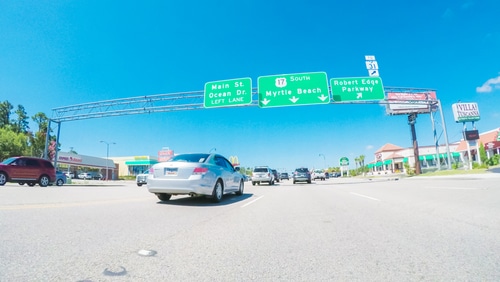
Car and traffic accidents are a common source of summer injury claims in the Grand Strand due to an influx of summer traffic on roads such as US-17 and Highway 501. Driving on unfamiliar roads can also result in more rear-end collisions and intersection crashes.
Accident law update: South Carolina’s hands-free law now carries real tickets as of Feb. 28, 2026, so proof that a driver was holding a phone can strengthen your claim.
2. Pedestrian Accidents Near the Boardwalk
Ocean Boulevard, the Boardwalk, and the restaurant and bar district fill with walkers all summer, and crosswalks are limited. As a result, South Carolina is the fourth-deadliest state in the country for pedestrians, with nearly 900 people killed statewide from 2020 to 2024.
Crosswalks can give you a leg up: Jaywalking can reduce what you recover, but a speeding or distracted driver still carries most of the blame under state law. Be aware that insurers often try to shift blame onto pedestrians for crossing outside a crosswalk, even where heavy foot traffic is expected.
3. Hotel and Resort Injuries
The Grand Strand holds more than 157,000 accommodation units across roughly 425 hotels, surpassing Las Vegas. During peak season, hotel pools, stairwells, elevators, parking lots, and balconies see constant use. In addition, heavy crowds and seasonal staff turnover can lead to missed safety checks and overwhelmed security.
A fall on hotel property raises a bigger question than whether it happened. It’s whether the hotel or its management company failed to prevent a danger they should have caught.
The corporate catch: Corporate chains often route claims through third-party management. As a result, it adds a layer of dispute over who’s actually liable.
4. Water Sports and Boat Accidents
Rented watercraft put first-time riders on crowded water. Jet skis, kayaks, parasail rigs, and boat traffic all share the Intracoastal Waterway at the same time. The U.S. Coast Guard’s 2023 Recreational Boating Statistics recorded 23 boating deaths and 133 injuries in South Carolina that year on the Horry County stretch of the Intracoastal.
How boat claims differ: Signed liability waivers do not automatically bar claims, especially when negligence, poor maintenance, or inadequate safety practices are alleged, but proving it means acting fast before evidence is compromised.
5. Rideshare Accidents After a Night Out
The influx of visitors means more late-night Uber and Lyft rides and more traffic. And surge pricing puts more tired, unfamiliar drivers on the road chasing fares.
What you need to know: Liability depends on the driver’s app status at the moment of the crash. When the app is off, only the driver’s own policy applies. When the app is on and waiting for a ride, a smaller policy of $50,000 per person kicks in. Once a passenger is in the car, a policy of up to $1 million applies.
Knowing these dangers is vital, and what you do in the first hours after getting hurt often matters just as much.
What To Do After a Summer Accident: An Injury Attorney’s Myrtle Beach Checklist
If you get hurt in Myrtle Beach during the busy season, these steps protect both your health and your legal claim.
- Get medical care right away: See a doctor even if you feel fine. Some injuries hide for days. A prompt visit also links your injury to the accident.
- Report the incident on the spot: Call 911 for a crash, tell hotel management about a fall, or report the wreck through the rideshare app. Ask for a copy.
- Document the scene: Take photos of the scene. Collect names and phone numbers of witnesses, and grab license plates or app trip details before you leave.
- Avoid recorded statements to insurers: Avoid giving a recorded statement or accepting quick cash. Early words can be used to cut your payout later.
- Track every expense: Document expenses and pay stubs. Follow your treatment plan to avoid gaps that could weaken your case.
- Stay off social media: A cheerful vacation photo can be twisted to suggest you were not really hurt.
- Talk with a local lawyer before you settle: Hiring a trusted injury attorney Myrtle Beach visitors and residents trust can help value your claim and deal with the insurers for you.
Speak to an Injury Attorney Myrtle Beach Trusts To Protect Your Rights
Myrtle Beach is built for vacation, but vacation injury claims are not always simple when other parties are involved. One busy week on the coast can leave you with medical bills, a confusing insurance file, and a filing deadline you did not know existed.
Lowcountry Law helps injured people across the Grand Strand pursue full and fair compensation. If you’ve been injured during a visit to Myrtle Beach, contact us to book your free consultation and let an experienced injury attorney review your case.